
Cart 0

The Allure of Luck and Chance
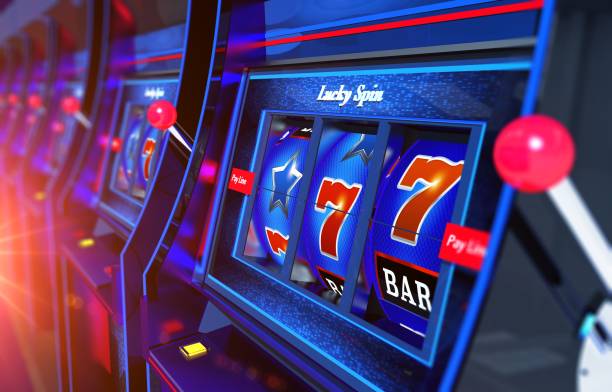
The fundamental appeal of casino gambling often lies in the thrill of chance and the hope for luck to strike at any moment. Gamblers are drawn to the unpredictability of outcomes, often believing in the possibility of a life-changing win. This psychological phenomenon, known as “gambling optimism,” leads players to underestimate the risks involved and overestimate their chances of success. The brightly lit machines and enticing atmospheres serve to amplify this excitement, creating an environment that fosters risky behaviors. Additionally, many enthusiasts flock to crypto casino sites for their unique offerings and potential rewards.

Moreover, the concept of “near-misses” plays a crucial role in keeping players engaged. When gamblers come close to winning, even without a payoff, their brains release dopamine, the same chemical associated with pleasure and reward. This false sense of achievement reinforces the urge to play more, as players remain fixated on the next potential win. Understanding this dynamic is essential in comprehending why individuals return to casinos time and again.
The Role of Cognitive Biases
Cognitive biases significantly influence how gamblers perceive their odds and make decisions. One of the most common biases in gambling is the “gambler’s fallacy,” where individuals believe that past events will influence future outcomes. For instance, a player may think that a slot machine is “due” for a win after a series of losses. This misplaced confidence can lead to excessive play and increased financial risk as players chase their perceived losses.
Additionally, confirmation bias affects how gamblers interpret their experiences. Players may focus on wins while ignoring or downplaying losses, reinforcing their belief in their skills or luck. This selective memory further entangles them in the gambling cycle, causing them to make repeated visits to casinos, despite the long-term odds being against them.
The Influence of Social Factors
The social dynamics of gambling also play a significant role in decision-making. Casinos often create environments that encourage camaraderie and connection among players, making the experience more enjoyable. This social aspect can lead to increased betting as individuals feel the excitement of gaming in groups, sharing both thrills and losses. The presence of friends or fellow gamblers can magnify the emotional highs and lows of gambling.
Moreover, the normalization of gambling within certain social settings can influence individual behavior. When surrounded by others who are actively participating in gambling, individuals may feel pressure to join in or continue playing to fit in. This social influence can cause players to make irrational decisions, as the desire for acceptance can overshadow logical thinking about their gambling habits.
The Psychological Rewards of Winning
Winning in a casino generates powerful psychological rewards that can lead to addictive behaviors. The rush of winning can create a euphoric experience, driving players to seek out that feeling repeatedly. This desire for repeated rewards can overshadow rational decision-making, leading to a cycle of continual gambling in hopes of recapturing that high. The thrill of winning can also act as a reinforcement mechanism, making it increasingly difficult for players to quit.
In addition to financial incentives, the social recognition associated with winning can further amplify the desire to gamble. Players may gain status and admiration from peers when they have significant wins, further embedding gambling behavior within their social identity. This blend of psychological and social rewards makes understanding the motivations behind gambling decisions critical for recognizing both its appeal and its potential dangers.
Understanding Gambling in the Digital Age
As the landscape of gambling evolves with online casinos, the psychological factors influencing gambling behavior have adapted as well. Digital platforms offer accessibility and convenience, creating an environment where gambling can occur without the physical presence of a casino. This shift can lead to increased impulsivity and frequent play, as players can gamble anytime and anywhere with just a few clicks.
The online gambling experience also includes unique psychological triggers, such as gamified elements and interactive features that enhance engagement. Online casinos often deploy psychologically designed nudges to encourage continued play, making it essential for users to be aware of their decision-making processes. Understanding these dynamics is a vital step for individuals seeking to navigate the online gambling world responsibly and protect themselves from potential negative consequences.