Cart 0

The Landscape of Casinos Outside National Self-Exclusion Programs
The gambling industry has undergone significant changes in recent years, particularly with the rise of online casinos and increased accessibility to gambling platforms. However, alongside these advancements, concerns regarding problem gambling have emerged, prompting many jurisdictions to implement national self-exclusion programs. These programs allow individuals to voluntarily ban themselves from participating in gambling activities. But what happens in regions or scenarios where casinos operate outside of these national regulations?
casinos outside national self exclusion https://arthurkeeganbole.com/, their implications, and the strategies that can be adopted to promote responsible gambling.

Understanding National Self-Exclusion Programs
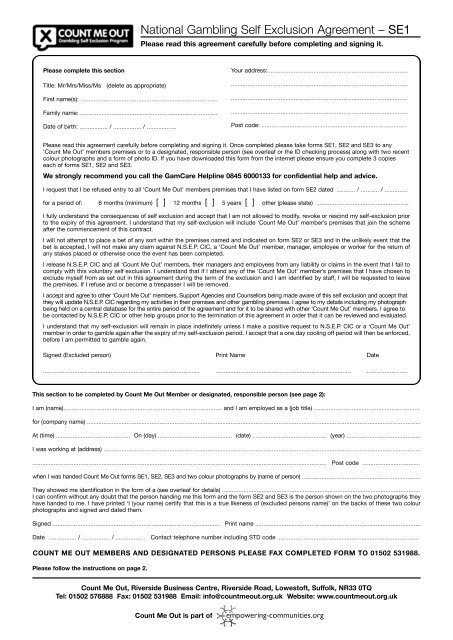
National self-exclusion programs serve as essential tools for individuals seeking to manage their gambling habits. They provide a formal mechanism for people to restrict their access to gambling establishments, both physical and online. Typically, these programs allow users to self-exclude for specified periods, ranging from months to years, preventing them from entering casinos or accessing online gambling sites during this time. The overarching goal of these initiatives is to reduce the prevalence of problem gambling and encourage responsible behavior.
Casinos Outside the Self-Exclusion Framework
While many countries have implemented self-exclusion measures, some casinos operate without adhering to these protocols. This can occur for various reasons, including regulatory gaps, the emergence of international online casinos that do not operate under national laws, or establishments that choose to sidestep responsible gambling practices. The existence of casinos outside these frameworks raises several critical questions about consumer protection, accountability, and the efficacy of gambling regulation.
International Online Casinos
The global nature of online gambling has made it increasingly easy for players to access casinos based in different jurisdictions. Many international online casinos do not participate in the national self-exclusion programs of specific countries. As a result, players who have self-excluded from domestic gambling options may find themselves able to gamble freely on international platforms. This loophole can severely undermine self-exclusion efforts, allowing individuals who are trying to moderate or eliminate their gambling habits to circumvent their restrictions.
The Role of Regulation
The challenge of regulating casinos outside national self-exclusion programs extends beyond international boundaries. Countries with varying levels of regulation face difficulties in ensuring that their citizens are protected from predatory gambling practices. Additionally, it becomes challenging to enforce responsible gambling measures globally, as regulatory bodies may lack the jurisdiction or influence to govern foreign operations adequately.
Challenges Faced by Players
For players who have voluntarily self-excluded, navigating the landscape of casinos outside these programs presents numerous challenges. These can include:
- Access to Unsanctioned Gambling: Individuals may easily access online casinos that do not adhere to national self-exclusion mandates, leading to unmonitored gambling activities.
- Lack of Support Services: Players may find it difficult to obtain help or resources for managing their gambling addiction, as many service providers are focused on local jurisdictions.
- Inconsistent Information: The absence of a centralized regulatory framework can lead to misinformation about responsible gambling practices, making it harder for individuals to make informed decisions.
Promoting Responsible Gambling in Unregulated Environments
To address the challenges faced by players and promote responsible gambling in environments outside national self-exclusion programs, several strategies can be employed:
- Education and Awareness: Raising awareness about the risks associated with gambling and the existence of support services can empower individuals to make more informed decisions. This includes educational campaigns that target both players and their families.
- Collaboration with International Platforms: Establishing partnerships with international gambling platforms can encourage them to adopt responsible gambling measures and assist in developing self-exclusion options for their users.
- Access to Resources: Providing accessible resources and support networks for individuals dealing with gambling issues can create safe spaces for them to seek help. This includes hotlines, online resources, and community support initiatives.
- Advocacy for Regulatory Reform: Advocating for a more robust regulatory framework that encompasses international gambling sites can help ensure a standardized approach to responsible gambling across jurisdictions.
Case Studies of Successful Regulation
In recent years, several jurisdictions have successfully implemented regulatory frameworks that include self-exclusion strategies for international online casinos. For instance, countries like the United Kingdom and Sweden have established comprehensive gambling regulations that mandate operators to provide self-exclusion options for their users. These measures not only protect individuals within their jurisdictions but also compel international operators to comply if they wish to accept players from these regions.
Beyond national borders, successful implementation of responsible gambling initiatives often relies on collaboration between regulators, gambling operators, and non-profit organizations. By working together, these stakeholders can create a more unified approach to combating problem gambling, regardless of where casinos are located.
Conclusion
The rise of casinos outside national self-exclusion programs presents complex challenges for players, regulators, and society as a whole. It is imperative for individuals to remain vigilant and informed about the options available to them, particularly when engaging with gambling platforms that may not adhere to established regulations. By promoting responsible gambling practices, increasing awareness, and advocating for robust regulatory measures, we can better protect players and mitigate the impact of problem gambling in an increasingly interconnected world.
The landscape of gambling is continuously evolving, and as new technologies and platforms emerge, so too must our strategies for encouraging responsible behavior. Addressing the implications of casinos outside national self-exclusion programs requires a concerted effort from all stakeholders involved, including players, operators, and regulators alike.