
Cart 0

Understanding the complexities of casinos A complete overview
The Evolution of Casinos
Casinos have undergone a significant transformation since their inception, evolving from simple gambling houses to complex entertainment hubs. In the early days, gambling was often an illicit activity, hidden away in back rooms of pubs and taverns. The establishment of legal casinos in the 20th century, particularly in places like Las Vegas and Monte Carlo, marked a turning point. These venues started offering not just gambling but a full entertainment experience, including shows, fine dining, and luxurious accommodations, attracting a broader audience. Many enthusiasts flock to the industry for promotions like https://casinokingpari.ca/bonus which enhance their experience.

As the popularity of casinos grew, so did the variety of games offered. From classic table games like poker and roulette to modern slot machines featuring advanced technology, casinos have embraced innovation. Furthermore, the introduction of online casinos has revolutionized the industry, allowing players to enjoy their favorite games from the comfort of their homes. This shift has opened up new markets and demographics, making gambling more accessible than ever before.
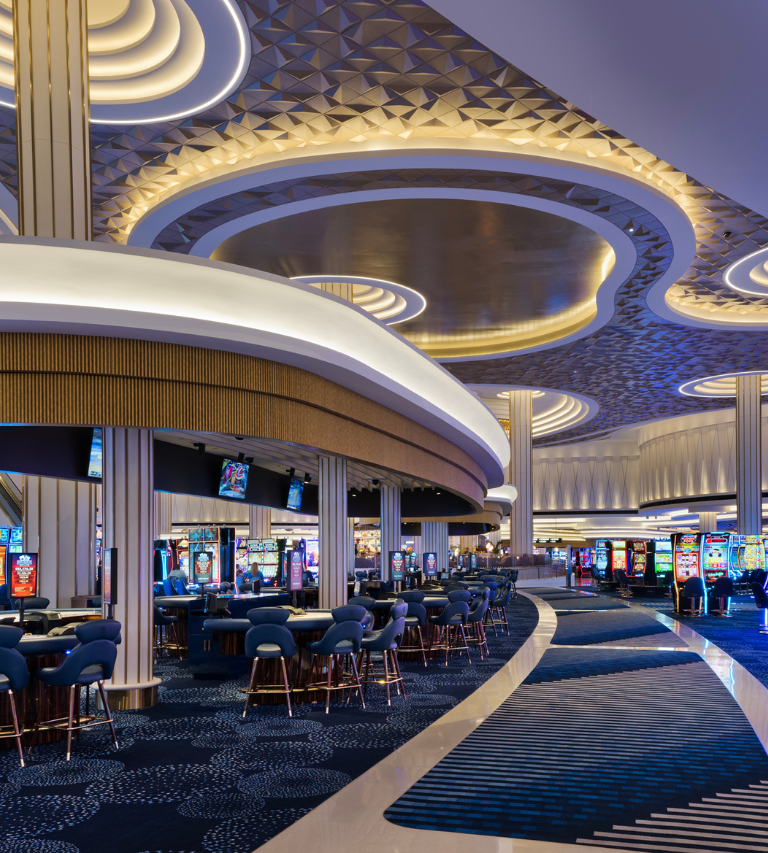
Today, casinos are not just about gambling; they are multi-faceted resorts that cater to diverse interests. Many include shopping malls, nightclubs, and wellness centers, creating a comprehensive leisure experience. This expansion reflects changing consumer preferences, as patrons seek more than just gaming opportunities. This evolution demonstrates the industry’s adaptability and commitment to providing a holistic entertainment experience for visitors worldwide.
The Psychology of Gambling
The psychology behind gambling is intricate and often fascinating. At its core, gambling can be understood as a blend of thrill-seeking behavior, social interaction, and the allure of winning. The excitement of placing a bet and the potential to win big can trigger the release of dopamine, a neurotransmitter associated with pleasure and reward. This biochemical response can lead to what is commonly referred to as the “gambling high,” making it difficult for some individuals to resist the urge to gamble.
Furthermore, casinos employ various strategies to enhance this psychological impact. The use of bright lights, enticing sounds, and even the arrangement of games can create an atmosphere that encourages longer play. For instance, slot machines are strategically placed near entrances to capture the attention of newcomers. This carefully designed environment fosters an immersive experience, making it challenging for players to leave and reducing their ability to gauge the amount of time spent gambling.
However, understanding the psychological aspects of gambling also includes recognizing the risks involved. Compulsive gambling can lead to serious financial and emotional consequences, prompting many casinos to implement responsible gaming programs. These initiatives aim to educate players about the risks and promote healthy gambling behaviors, emphasizing the importance of balance and moderation in this thrilling but potentially harmful activity.
Celebrity Gamblers and Their Impact
Celebrities have long been associated with the glamorous world of casinos, often becoming brand ambassadors and influencers in the industry. Famous figures like Ben Affleck, Matt Damon, and George Clooney have made headlines not just for their film careers but also for their gambling exploits. Their stories often romanticize the experience of high-stakes gambling, drawing more people to casinos with the allure of celebrity glamour.
The presence of celebrity gamblers can significantly influence public perceptions of casinos. When a high-profile individual is spotted at a gaming table, it adds a layer of excitement and prestige to the venue. This phenomenon is especially evident in Las Vegas, where celebrities frequently attend events, performances, and charity poker tournaments, creating a buzz that attracts both media and fans alike. This interplay between celebrity culture and gambling contributes to a unique marketing strategy that keeps casinos in the public eye.
Moreover, the rise of social media has transformed how celebrities engage with gambling. Platforms like Instagram and Twitter allow them to share their experiences in real-time, creating a sense of community among followers. However, this also raises concerns about the influence they wield, particularly over younger audiences. As such, it is crucial for both celebrities and casinos to navigate this space responsibly, ensuring that the glamorous portrayal of gambling does not overshadow the potential risks associated with it.
Regulatory Challenges in the Casino Industry
The casino industry is subject to a myriad of regulations that vary significantly by region. These regulations are designed to ensure fair play, prevent fraud, and protect vulnerable individuals from the dangers of gambling addiction. In many jurisdictions, extensive licensing processes are required for casinos, which often include background checks, financial disclosures, and compliance with specific operational standards. This regulatory framework is essential for maintaining the integrity of the gambling industry.
Additionally, online gambling regulations have added another layer of complexity. As more players turn to virtual casinos, governments are scrambling to establish effective regulations that can keep up with technological advancements. This includes issues such as data protection, age verification, and preventing money laundering. The challenge lies in creating a balanced approach that fosters innovation while ensuring consumer protection and accountability.
As the industry continues to evolve, there is an ongoing debate about the effectiveness of these regulations. Advocates argue for more stringent controls to protect players, while others contend that excessive regulation may stifle growth and limit consumer choices. Finding the right balance will be crucial in navigating the future landscape of the casino industry, ensuring that it remains both a source of entertainment and a safe environment for patrons.
The Future of Casinos
The future of casinos is poised for significant changes driven by technology and shifting consumer preferences. Innovations such as virtual reality and augmented reality are beginning to make their way into the casino experience. These technologies promise to create immersive environments that allow players to engage with their favorite games in unprecedented ways, elevating the overall experience and attracting a new generation of gamblers.
Moreover, the rise of mobile gaming cannot be overlooked. As smartphones become ubiquitous, more players are seeking convenience and flexibility in their gambling experiences. This trend has prompted many casinos to invest in mobile applications and online platforms that replicate the casino experience, allowing players to enjoy their favorite games anywhere, anytime. This shift not only broadens the market but also enhances the overall accessibility of gambling.
In addition to technological advancements, casinos must also remain vigilant about social responsibility. As awareness of gambling addiction grows, it becomes increasingly important for the industry to implement measures that promote responsible gambling. This includes initiatives aimed at educating players about risks and providing resources for those who may need help. Balancing innovation with ethical considerations will be key to ensuring the sustainability and growth of the casino industry in the years to come.